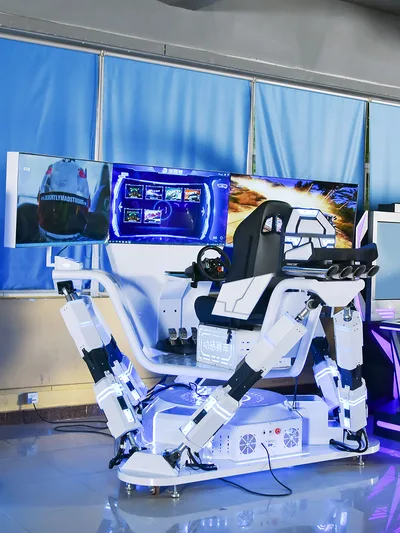
Six-Axis Motion Racing
A six-axis platform drives cabin motion to reproduce acceleration, cornering and road feel, anchoring a motion entertainment zone.

Racing & Theater
Vehicle simulators for racing and motorcycles combined with motion, flying and dome theatres to form ticketed immersive driving and viewing zones.
25 products
Open any product to see its features, scenarios and compliance wording.
25 product(s) match
A six-axis platform drives cabin motion to reproduce acceleration, cornering and road feel, anchoring a motion entertainment zone.
Suspended seats and wrap-around projection carry audiences over landscapes and cities in a flight perspective.
Motion seats paired with cinema-grade visuals deliver rotating themed screenings within a compact footprint.
Driving simulation reproduces urban roads and complex conditions so visitors run a complete driving sequence from the cabin.
Environmental effects layered onto projection and motion seats heighten sensory immersion and storytelling.
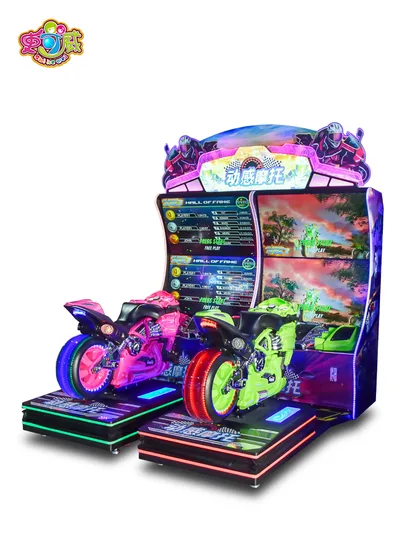
A racing unit in a motorcycle riding posture where players lean with the bike into corners, bringing the physical feel closer to real riding.
A dome wraps the field of view while a motion platform adds weightless and dive sensations for large spaces.
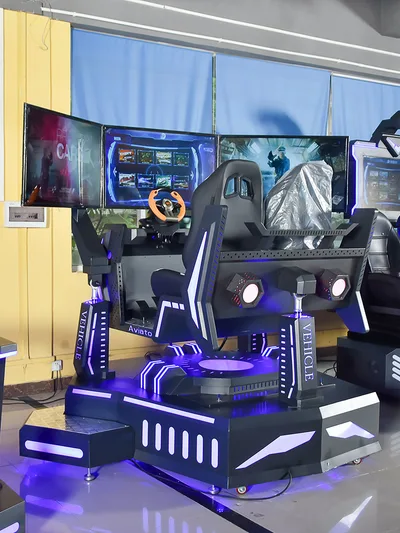
A racing simulator pairing a three-axis motion platform with triple screens, tilting and pitching with the track while the triple display widens the field of view.
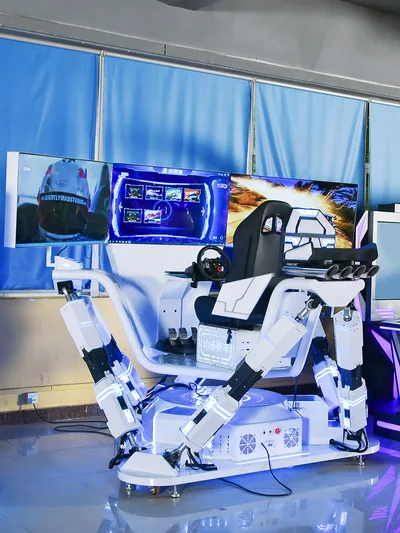
A racing simulator with a six-axis motion platform and triple screens, offering more motion dimensions so cornering and bumps feel layered.
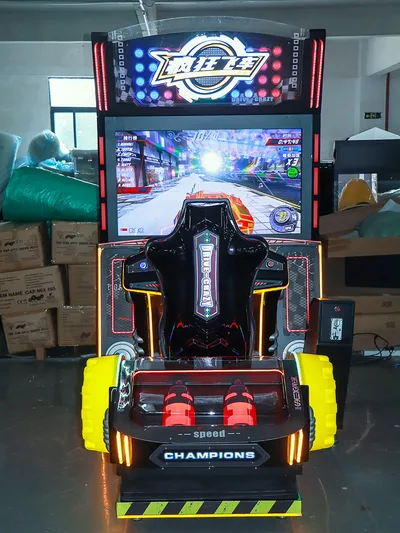
A racing unit themed on high-speed pursuit with tight pacing and frequently changing tracks, built for younger players seeking thrills.

A competition-oriented racing unit with multiple cars on track, settling results by both placing and lap time — suited to in-store tournaments.
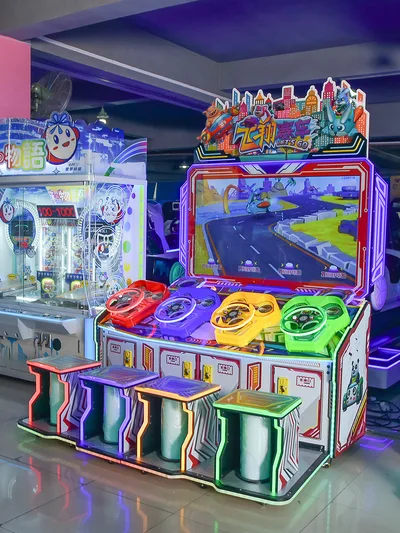
A sky-track racing unit where vehicles travel three-dimensional courses, with the view shifting by altitude for an open feel.
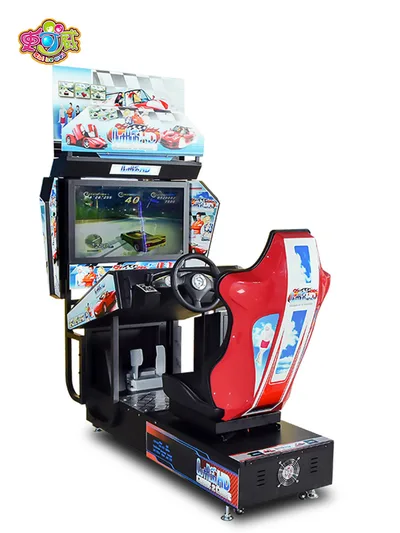
A ride-through attraction themed on scenic touring, following preset routes past varied terrain at a relaxed pace for family and all-age visitors.
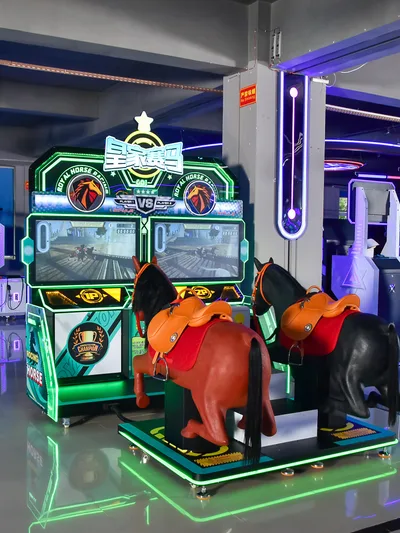
A horse-racing themed simulation unit with a riding posture and rhythmic rise and fall, suited to family and group spectating experiences.
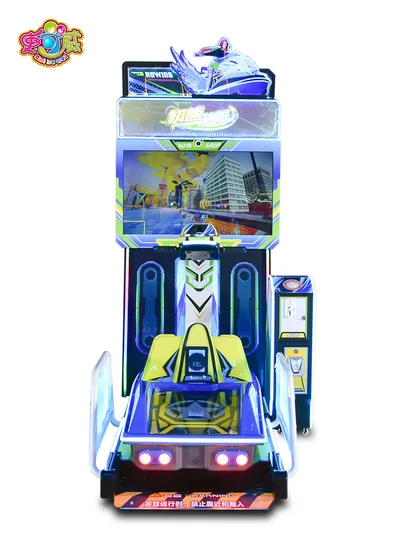
An airship-themed racing unit where vehicles weave through floating courses, with the view shifting by altitude and heading for players after novelty.
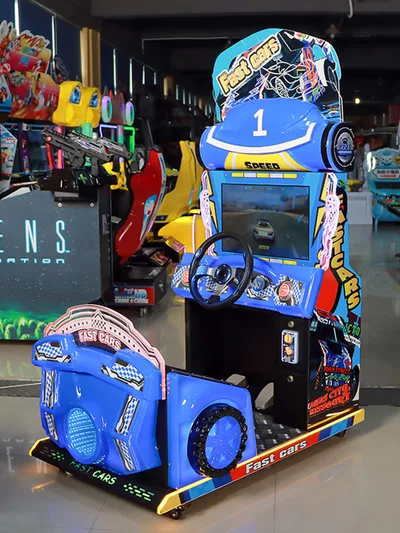
The second generation of a high-speed racing unit, with tighter track pacing and more direct steering and acceleration feedback.
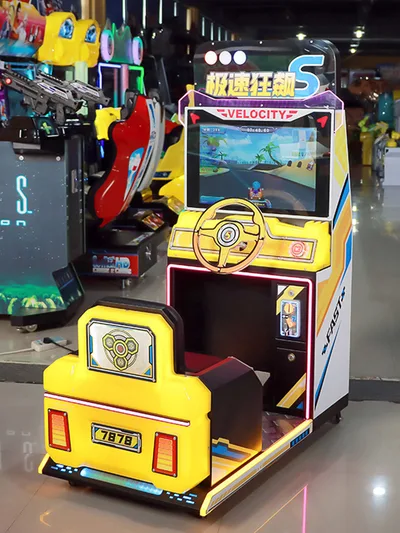
A sport-configured racing unit with a more compact footprint, suited to locations that need racing content within limited space.
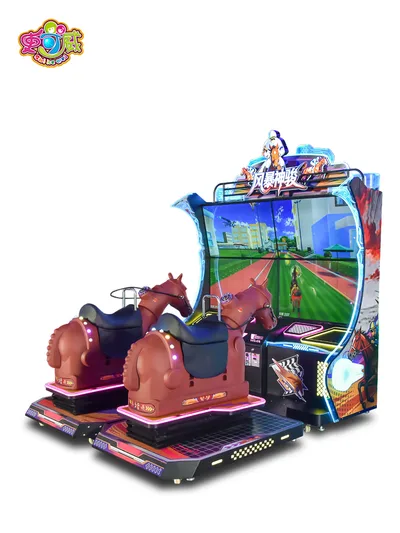
A riding racing unit themed on a galloping steed, with the body rising and falling to the running rhythm — suited to family and group play.
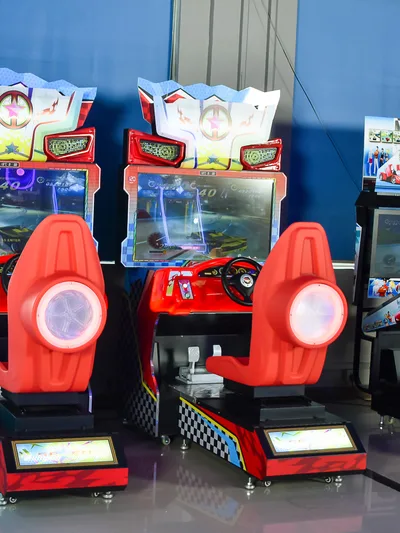
A racing unit combining wood and metal materials, with a body texture distinct from typical plastic housings, suited to venues after a specific ambience.
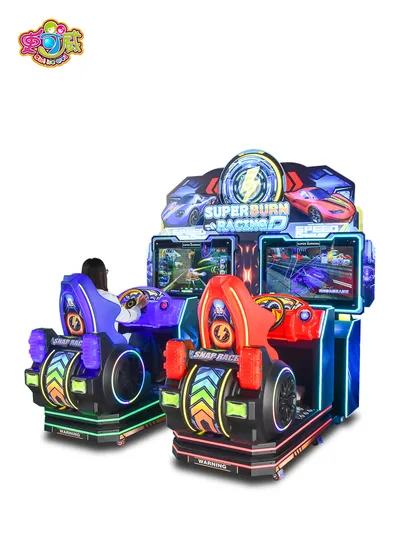
A racing unit with a motion platform where the body sways with acceleration and cornering, pairing high-speed scenes with a tense physical feel.
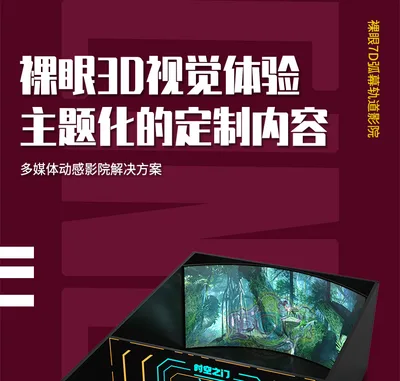
An immersive cinema ride travelling along a track, with cabins moving through scenes while wind effects and motion seating bring stereoscopic imagery to life.
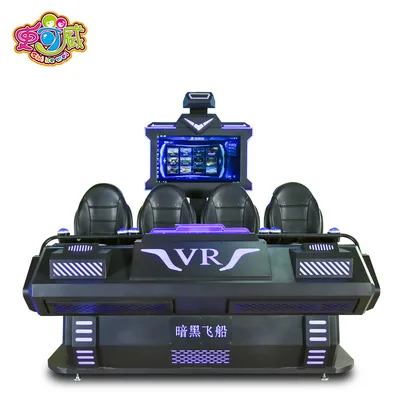
A four-player interactive cinema where participants use handheld devices to complete tasks within projected scenes, blending viewing with interaction.
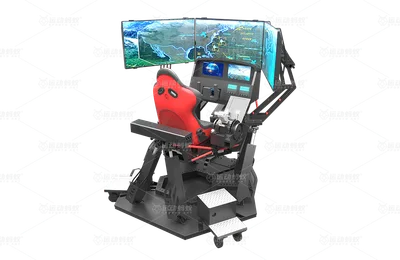
A civil flight simulator drives an immersive cockpit on a six-axis motion platform with high-definition wrap-around screens, recreating takeoff, cruise and landing.
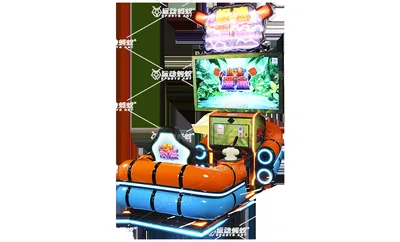
Extreme rafting rides the current on a motion platform, pairing immersive river-rapids scenes with shared boat rides for resort and mall entertainment zones.
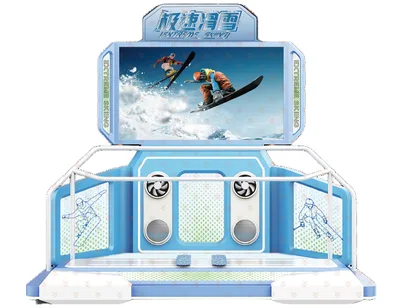
Speed skiing brings downhill racing indoors: pick your track and difficulty, with motion feedback that delivers the rush of dives and turns.
The questions we hear most about site conditions, configuration and after-sales in this category.
Motion units need structural bearing and travel clearance, while standard units are more about bay spacing and spectator circulation; each unit type is confirmed during the site assessment.
Units can be linked into a timed racing zone with live leaderboards for single runs or recurring events; the number linked is fixed at layout stage.
Investment breaks into four parts: equipment, fit-out, rent and working capital. We don't quote a figure before seeing your site; we first lay out the structure and share of each part against your venue and goals, then move into proposal modelling.
A single unit typically occupies 30-150 m² and a full venue usually starts at several hundred m²; ceiling height and structure depend on the equipment you choose. We carry out an on-site survey and match the proposal to the measured dimensions and structural conditions.
Equipment carries a one-year warranty and we keep common spare parts in stock. Faults are diagnosed remotely first, then we decide whether to dispatch on-site or replace, keeping downtime to a minimum.
Yes. Turnkey delivery already includes staff training and operations support, joined up from pre-opening to day-to-day running; we agree who does what first, then proceed.
Four things are enough: your city, venue area, budget band and planned opening date. With these we set the direction first, then book the on-site survey and proposal.
Yes. A common approach is to open the core area first to validate footfall, then expand points of attraction in stages based on the data, reducing the upfront outlay and trial-and-error cost.
Yes. Our equipment reaches 38 countries and regions, and overseas projects are delivered and maintained through our existing sales network and remote diagnostics.
We are a source manufacturer and turnkey delivery partner: we develop and produce the equipment ourselves, and planning, design, construction and operations are joined up by one team, not just selling single units for you to compare and assemble yourself.
Turnkey delivery covers planning and design: we lay out circulation against the site conditions and target audience, propose the attraction mix with design visuals, and only after alignment move to equipment and construction. The visuals support layout discussions and defer to the on-site survey and final drawings.
Usually yes. Ceiling height, columns and irregular shapes drive equipment choice: height-limited spots switch to compact units, columns are worked around with aisles and low-profile attractions, and awkward corners are handed to adaptable projection and sensing products. The mix is set from the measured results of the on-site survey.
Delivery is staged by attraction: site works and equipment installation run in sequence, and each item is commissioned and accepted rather than every unit arriving at once. Installation and commissioning are handled by the relevant team, with front-line staff trained on operation and safety at the same time.
We provide the method, not a substitute for your operation: membership tiers and points mechanics, a yearly campaign schedule, and a floor-check and review rhythm can all be designed alongside. After delivery we review footfall and attraction performance by cycle and adjust on the data, with the rollout split by agreed responsibilities.
Yes. Projection, sensing and VR attractions refresh their content through software, so gameplay packs can change with seasons or themes. Hardware points are adjusted or added based on operating data rather than filled in one go. We recommend piloting a new format on a small scale, fixing what surfaces, then opening it fully.
Faults are diagnosed remotely first; what can be resolved remotely is handled there, and only what needs an on-site visit gets an engineer and parts dispatched. Common spares are kept in stock to keep downtime short, while daily floor checks close site issues within the week rather than at month end.
We organise documents to your target market: products are always described as designed to the relevant standard, and any qualification, test or compliance documents we can provide are the registered originals. Tell us your market and product scope and we reply with the list of documents we can supply within the committed window.
A standard attraction mix forms the base, with counts and proportions tuned to each site while configuration and operating practice stay consistent. Headcount planning, layered training and an asset library replicate the service standard across new sites and new staff, and the floor-check and review rhythm carries it into daily practice.
After you leave a contact, we deliver the proposal and configuration within the agreed window.
25 product(s) match
A six-axis platform drives cabin motion to reproduce acceleration, cornering and road feel, anchoring a motion entertainment zone.
Suspended seats and wrap-around projection carry audiences over landscapes and cities in a flight perspective.
Motion seats paired with cinema-grade visuals deliver rotating themed screenings within a compact footprint.
Driving simulation reproduces urban roads and complex conditions so visitors run a complete driving sequence from the cabin.
Environmental effects layered onto projection and motion seats heighten sensory immersion and storytelling.
A racing unit in a motorcycle riding posture where players lean with the bike into corners, bringing the physical feel closer to real riding.
A dome wraps the field of view while a motion platform adds weightless and dive sensations for large spaces.
A racing simulator pairing a three-axis motion platform with triple screens, tilting and pitching with the track while the triple display widens the field of view.
A racing simulator with a six-axis motion platform and triple screens, offering more motion dimensions so cornering and bumps feel layered.
A racing unit themed on high-speed pursuit with tight pacing and frequently changing tracks, built for younger players seeking thrills.
A competition-oriented racing unit with multiple cars on track, settling results by both placing and lap time — suited to in-store tournaments.
A sky-track racing unit where vehicles travel three-dimensional courses, with the view shifting by altitude for an open feel.
A ride-through attraction themed on scenic touring, following preset routes past varied terrain at a relaxed pace for family and all-age visitors.
A horse-racing themed simulation unit with a riding posture and rhythmic rise and fall, suited to family and group spectating experiences.
An airship-themed racing unit where vehicles weave through floating courses, with the view shifting by altitude and heading for players after novelty.
The second generation of a high-speed racing unit, with tighter track pacing and more direct steering and acceleration feedback.
A sport-configured racing unit with a more compact footprint, suited to locations that need racing content within limited space.
A riding racing unit themed on a galloping steed, with the body rising and falling to the running rhythm — suited to family and group play.
A racing unit combining wood and metal materials, with a body texture distinct from typical plastic housings, suited to venues after a specific ambience.
A racing unit with a motion platform where the body sways with acceleration and cornering, pairing high-speed scenes with a tense physical feel.
An immersive cinema ride travelling along a track, with cabins moving through scenes while wind effects and motion seating bring stereoscopic imagery to life.
A four-player interactive cinema where participants use handheld devices to complete tasks within projected scenes, blending viewing with interaction.
A civil flight simulator drives an immersive cockpit on a six-axis motion platform with high-definition wrap-around screens, recreating takeoff, cruise and landing.
Extreme rafting rides the current on a motion platform, pairing immersive river-rapids scenes with shared boat rides for resort and mall entertainment zones.
Speed skiing brings downhill racing indoors: pick your track and difficulty, with motion feedback that delivers the rush of dives and turns.